Behind the Shadows: Yakuza Merch Unmasked


Step into the mysterious world of Yakuza merch, where symbols and icons hide deeper meanings behind their allure. From intricately designed clothing to subtle accessories, these items hold a connection to the secretive underworld of the Yakuza. Delve with us as we unravel the veil surrounding this intriguing merchandise and explore the stories whispered between the threads. Let's shine a light on the enigmatic allure of Yakuza merch and uncover the symbolism embedded in every piece.
History of Yakuza Merch
Yakuza merch has a long and intricate history deeply intertwined with the notorious Japanese criminal organization. The roots of yakuza merchandise can be traced back to the early 17th century when the yakuza first emerged as a significant presence in Japanese society. Initially, yakuza merchandise mainly consisted of traditional clothing and symbols that held special meanings within the organization.
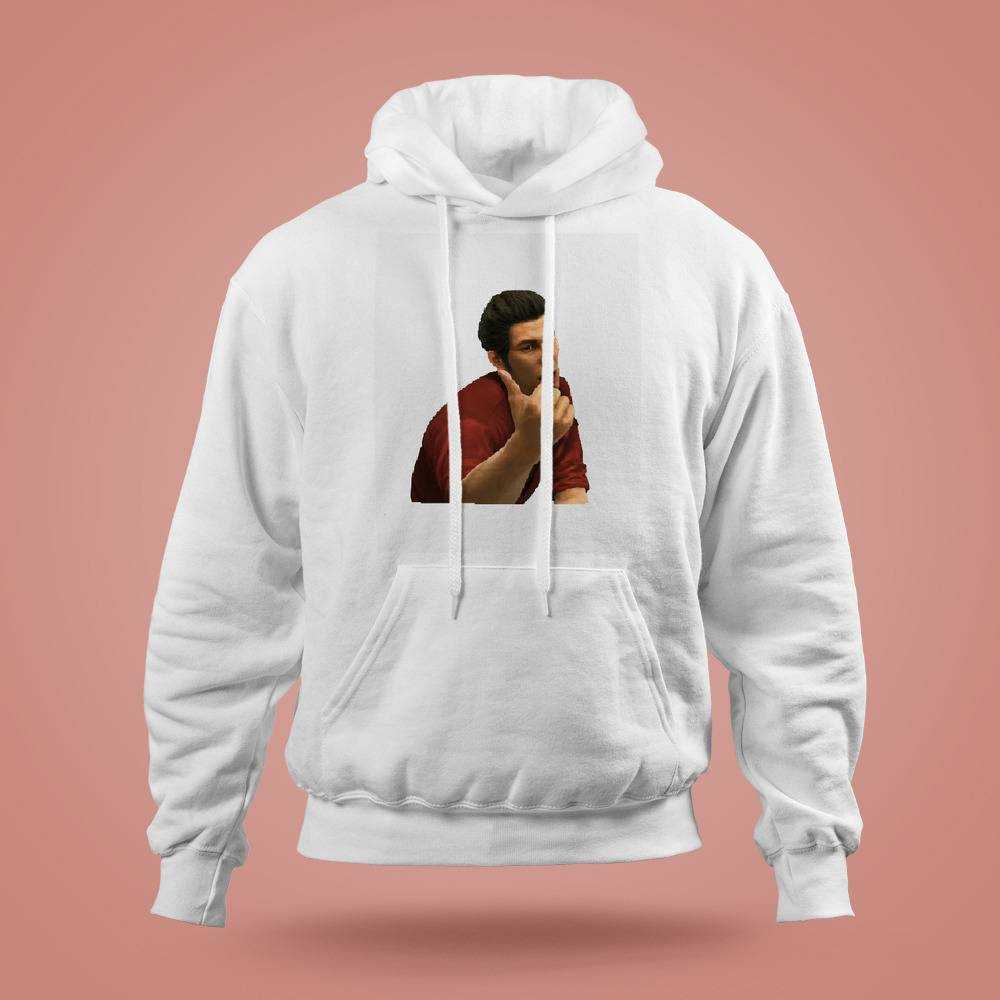
As the yakuza continued to evolve and expand, so did the variety of merchandise associated with the group. Yakuza members began to wear specific clothing with intricate designs and symbols, signaling their affiliation with certain clans or organizations within the larger yakuza structure. These garments often included hidden meanings and messages that were only decipherable by those familiar with yakuza culture.
In modern times, the market for yakuza merch has flourished, with a wide range of products available for enthusiasts and collectors alike. From clothing and accessories to memorabilia and even video games, yakuza merch has become a popular subculture both in Japan and around the world. Despite the controversy surrounding the criminal organization, the fascination with yakuza culture continues to fuel the demand for yakuza-related merchandise.
Popular Yakuza Merch Items
Yakuza merch has gained immense popularity in recent years, drawing attention from enthusiasts worldwide. One of the most sought-after items is the iconic Yakuza dragon tattoo t-shirt, which features intricate designs synonymous with the underworld organization's reputation for power and loyalty.
Another highly coveted merchandise item is the Yakuza-themed video game series, known for its immersive storytelling and intense gameplay. Fans flock to get their hands on limited edition collector's items, such as action figures of the game's protagonists and replica weapons wielded by Yakuza characters in the virtual world.
Additionally, streetwear inspired by Yakuza aesthetics has become a fashion trend among young adults, symbolizing a blend of tradition and modernity. From embroidered bomber jackets to sleek accessories adorned with Yakuza insignias, these items offer a unique way for individuals to express their admiration for the mystique surrounding the Yakuza culture.
Impact on the Community
Yakuza merch plays a significant role in shaping the community's perception and awareness. Through online store and distribution of these products, the yakuza organization is able to assert its presence and influence within local neighborhoods, instilling a sense of fear and intimidation among residents.
The proliferation of yakuza merch also reflects a deeper issue concerning the glorification of organized crime. By glamorizing symbols associated with the yakuza, such as tattoos and iconic imagery, there is a risk of desensitizing the public to the real-life consequences of criminal activities, potentially romanticizing a lifestyle that is inherently dangerous and harmful.
Furthermore, the availability of yakuza merch in mainstream markets blurs the lines between criminality and popular culture, perpetuating harmful stereotypes and normalizing criminal behavior. This normalization can have a damaging impact on impressionable individuals, especially the youth, who may be influenced by these glorified portrayals of criminal organizations.